Seasons In Scotland
Scotland is one of the best places in Europe for astrophotography, offering breath-taking landscapes, dark skies, and a variety of celestial events throughout the year. Each season brings unique opportunities to photograph the night sky, From the Milky Way Core in spring and summer to the Northern Lights during autumn and winter. Understanding what each season has to offer will help you plan your photography and make the most of every clear night.
Spring (March – May)
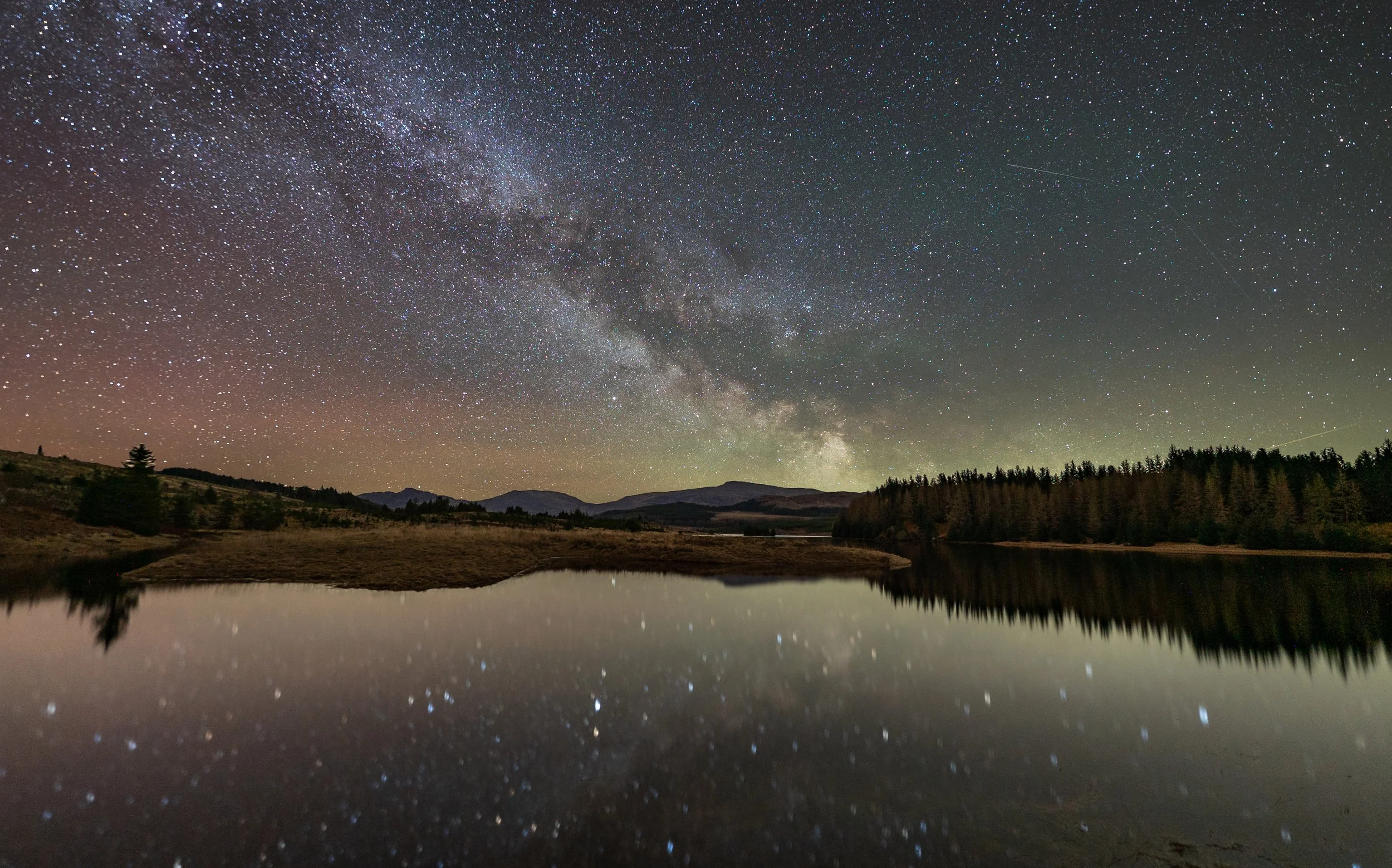
As the nights gradually become shorter, one of the biggest highlights is the reappearance of the Milky Way Core, which begins to rise before dawn. This is an exciting time for astrophotographers, as the centre of our galaxy becomes visible once again after disappearing during the winter months. The equinoxes are great for aurora activity as we can get major storms at this time due to earths tilt.
Spring also offers comfortable temperatures, and some of the clearest skies of the year. Snow can still be found on Scotland's mountains, creating great foregrounds.
Best for:
Milky Way Core (early morning)
Aurora
Constellations
Orion (after sunset)
Summer (June – August)
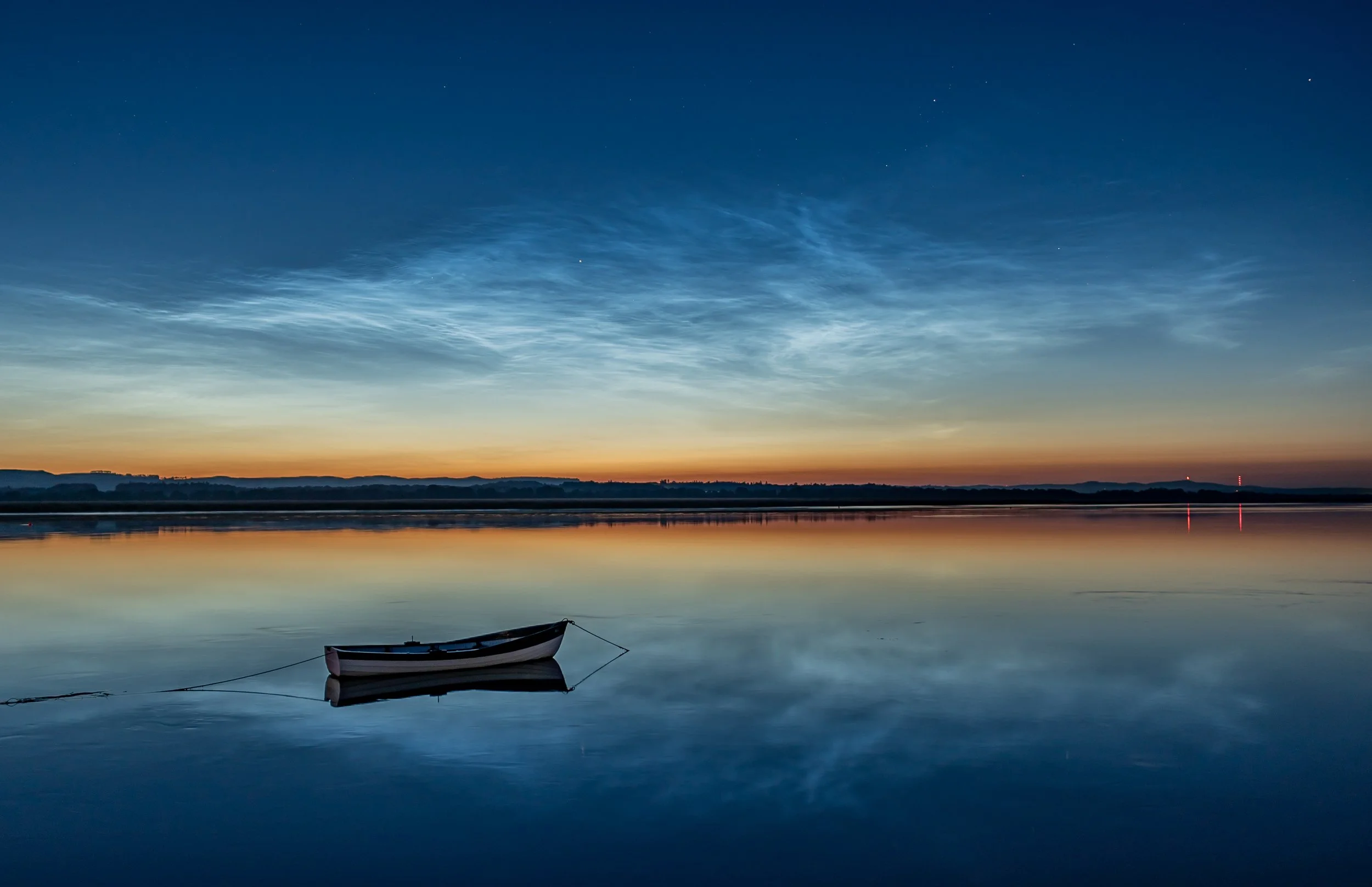
Summer is the most challenging season for astrophotography in Scotland. Around the summer solstice there is very little, if any, true astronomical darkness due to Scotland's northern latitude. Although this limits night sky photography, the season offers opportunities to capture beautiful twilight landscapes and the rare phenomenon of Noctilucent Clouds, which appear high in the atmosphere after sunset.
Towards late August, darkness begins to return, marking the start of the new Milky Way season.
Best for:
Noctilucent Clouds
Twilight landscapes
Late August Milky Way photography
Autumn (September – November)
Many photographers consider autumn to be Scotland's finest astrophotography season. The nights become long and dark once again while temperatures remain relatively mild. The Milky Way is visible during convenient evening hours, making it easier to photograph without staying out until the early hours of the morning.
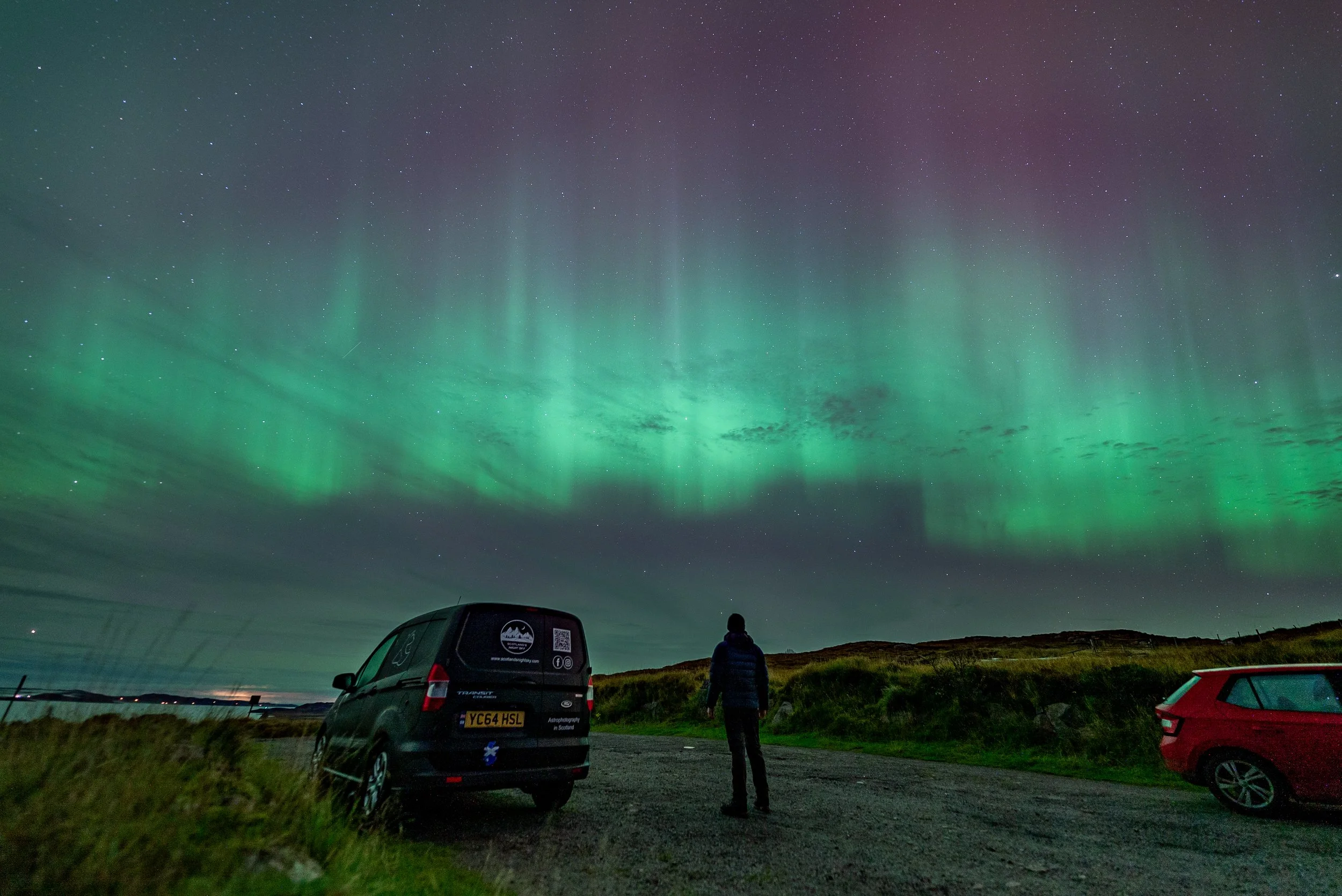
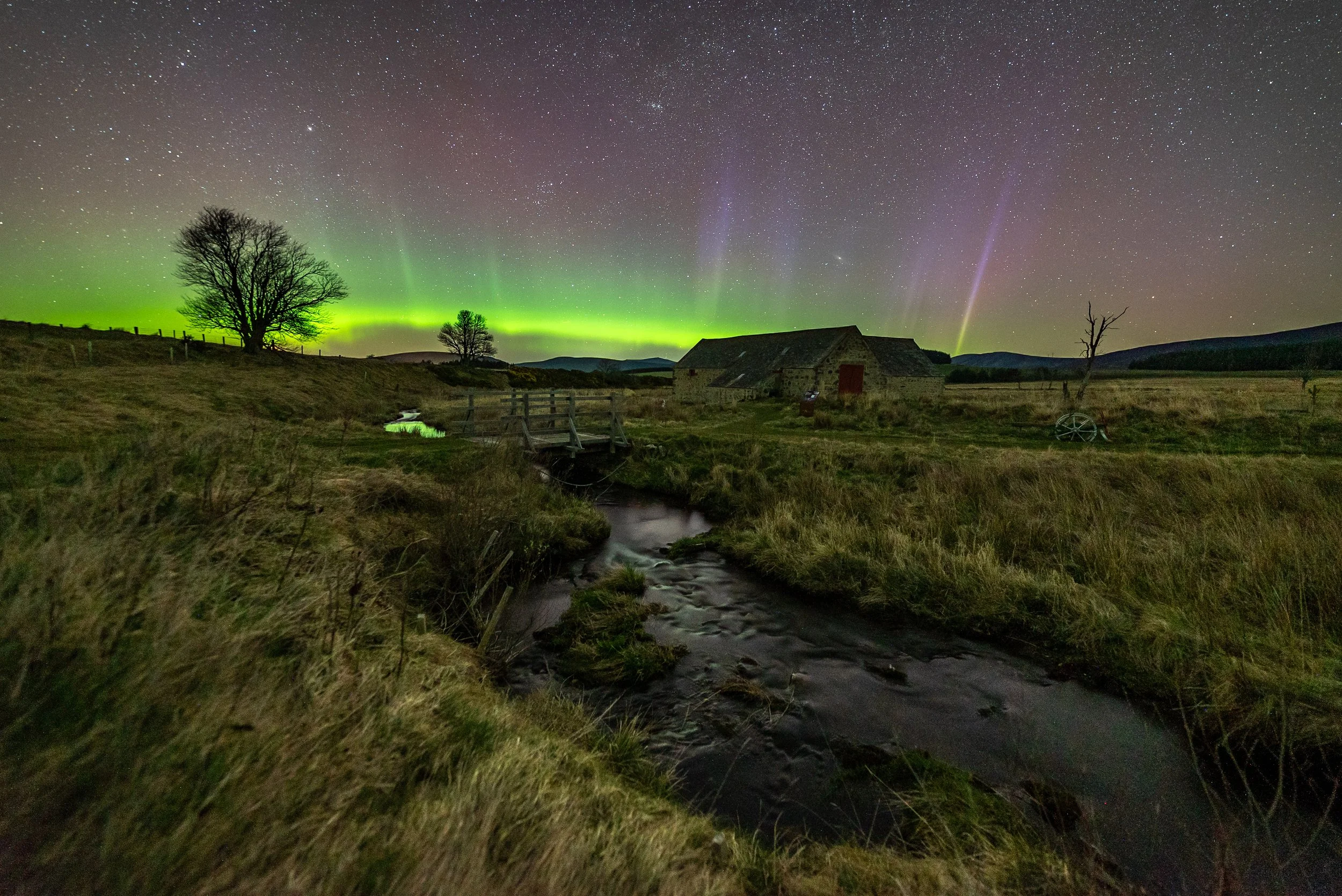
Autumn also marks the beginning of the Northern Lights season, with increased geomagnetic activity often producing spectacular aurora displays. Combined with colourful autumn landscapes, this creates the prime time for astrophotography.
Best for:
Milky Way Core
Northern Lights
Orion (early morning)
Winter (December – February)
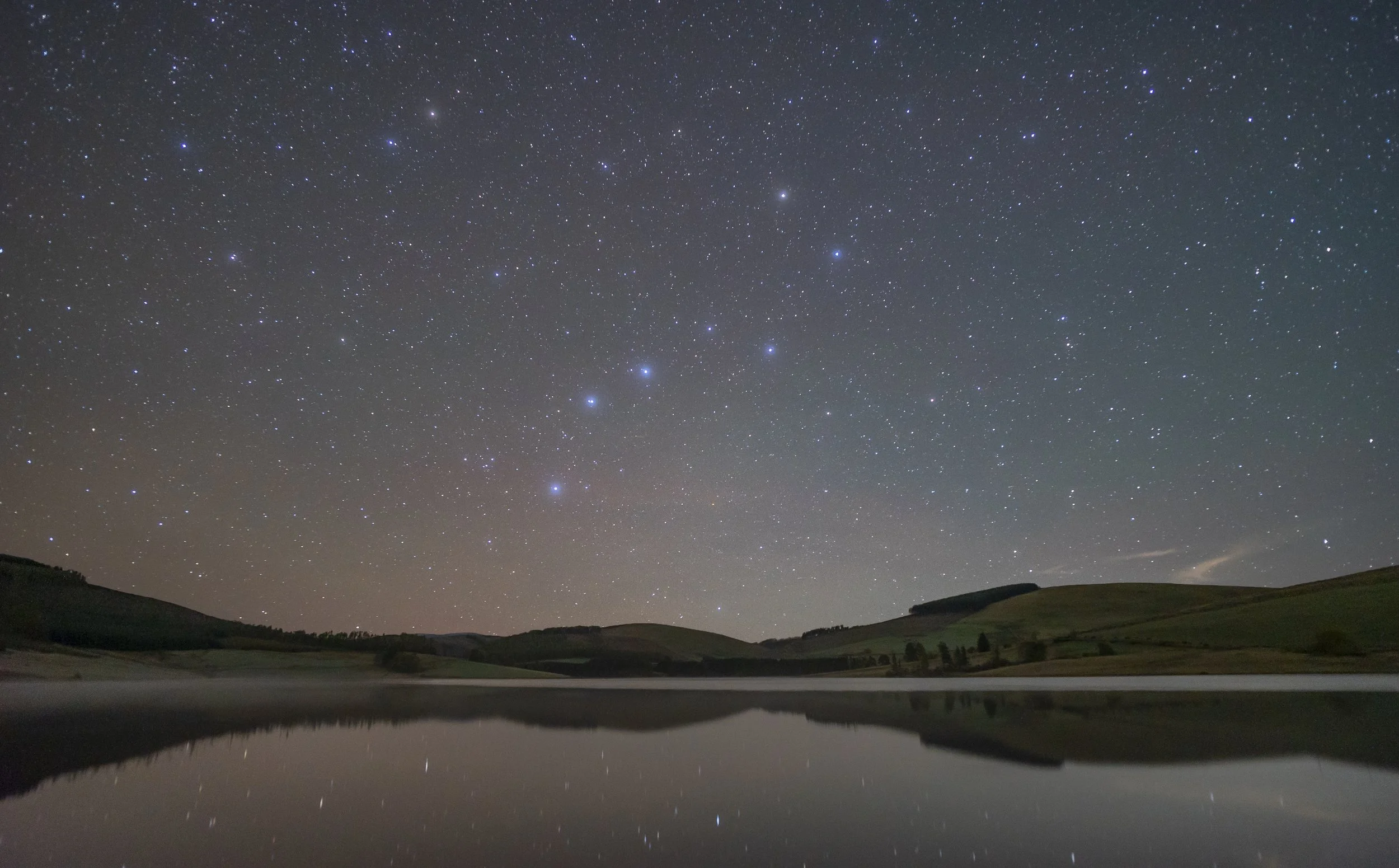
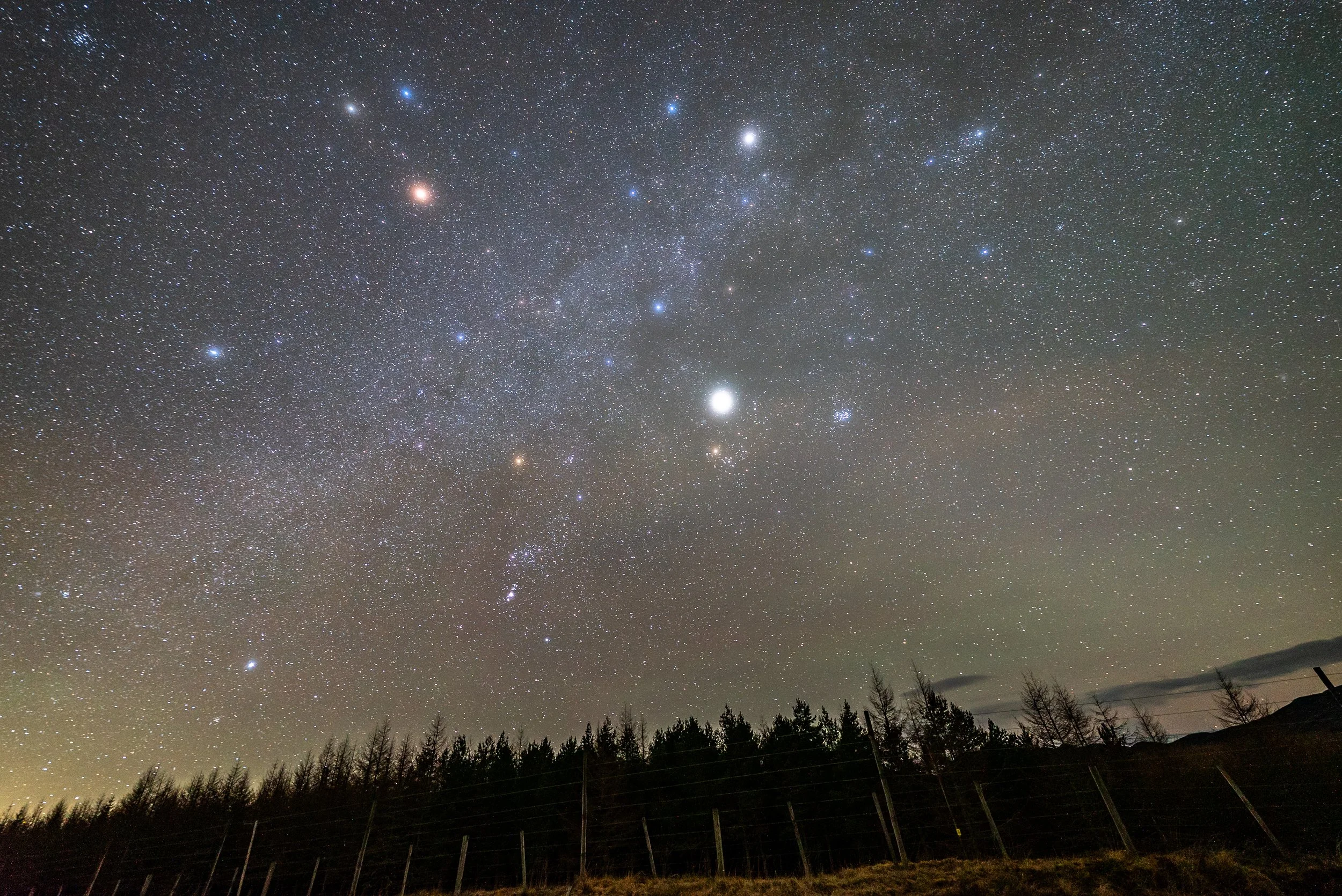
Winter brings the longest nights of the year, offering countless hours of darkness for astrophotography. Although the Milky Way Core is below the horizon during winter, the night sky is filled with bright constellations such as Orion, Taurus, and Cassiopeia, making it an excellent time for photographing star fields and deep-sky objects.
Winter is also peak season for the Northern Lights. Cold, crisp air often provides exceptional visibility, and snow-covered landscapes can create amazing foregrounds.
Best for:
Northern Lights
Winter constellations
Deep-sky astrophotography