My Astrophotography Gear
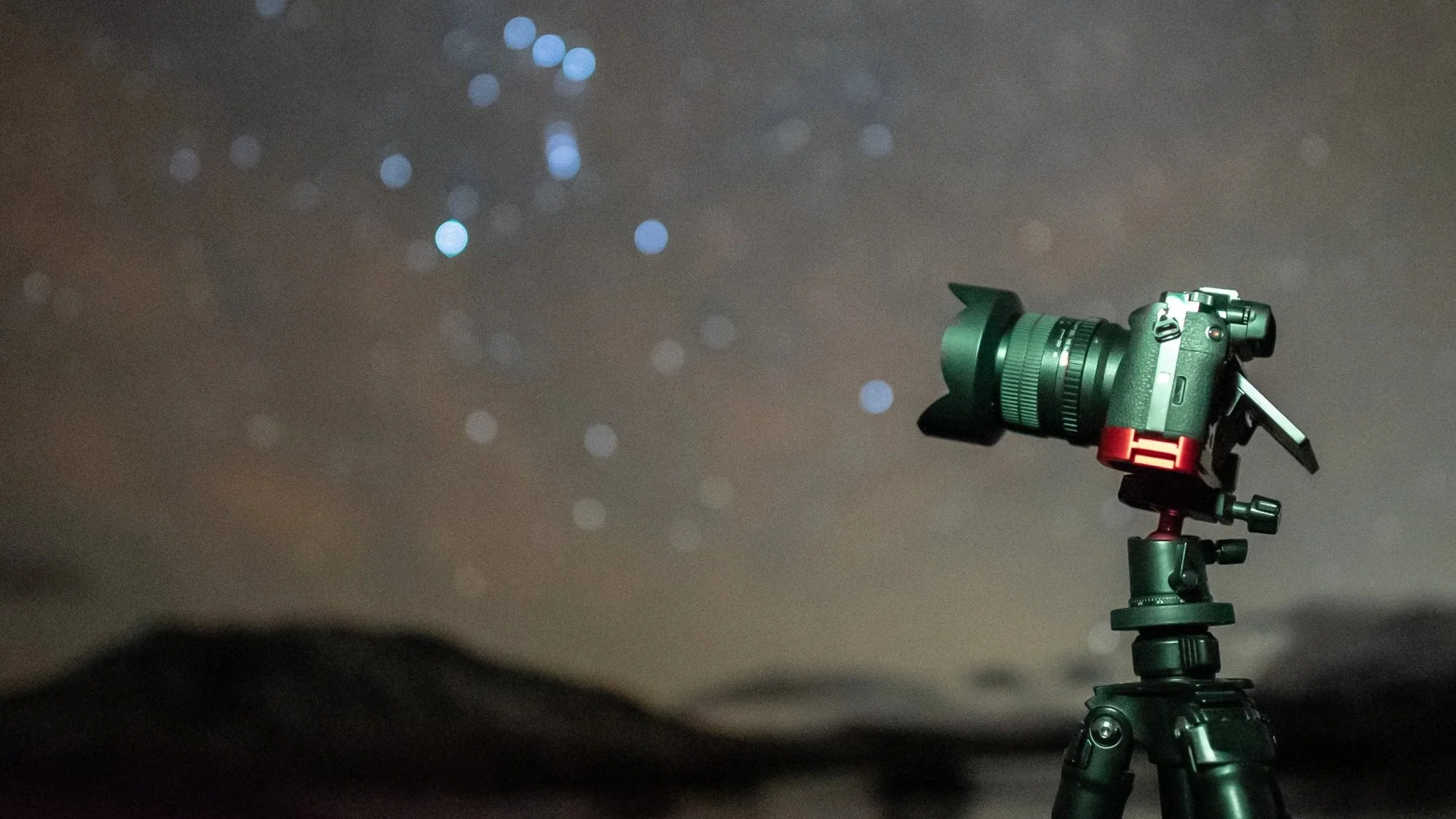
Camera:
Sony A7S
Lenses:
Sigma 14mm F1.4
Samyang 24mm F1.4
Sony 50mm F1.4
Sigma 150-600mm F6.3
Accessories:
Alyn Wallace Star Glow Filter
Ioptron Sky Tracker
MSM NOMAD Sky Tracker
RGBS Intervalometer
NEEWER Lens Dew Heater
Selens Tripod Pano Gimbal Head
Sony A7S – A Camera Built for Low-Light Photography
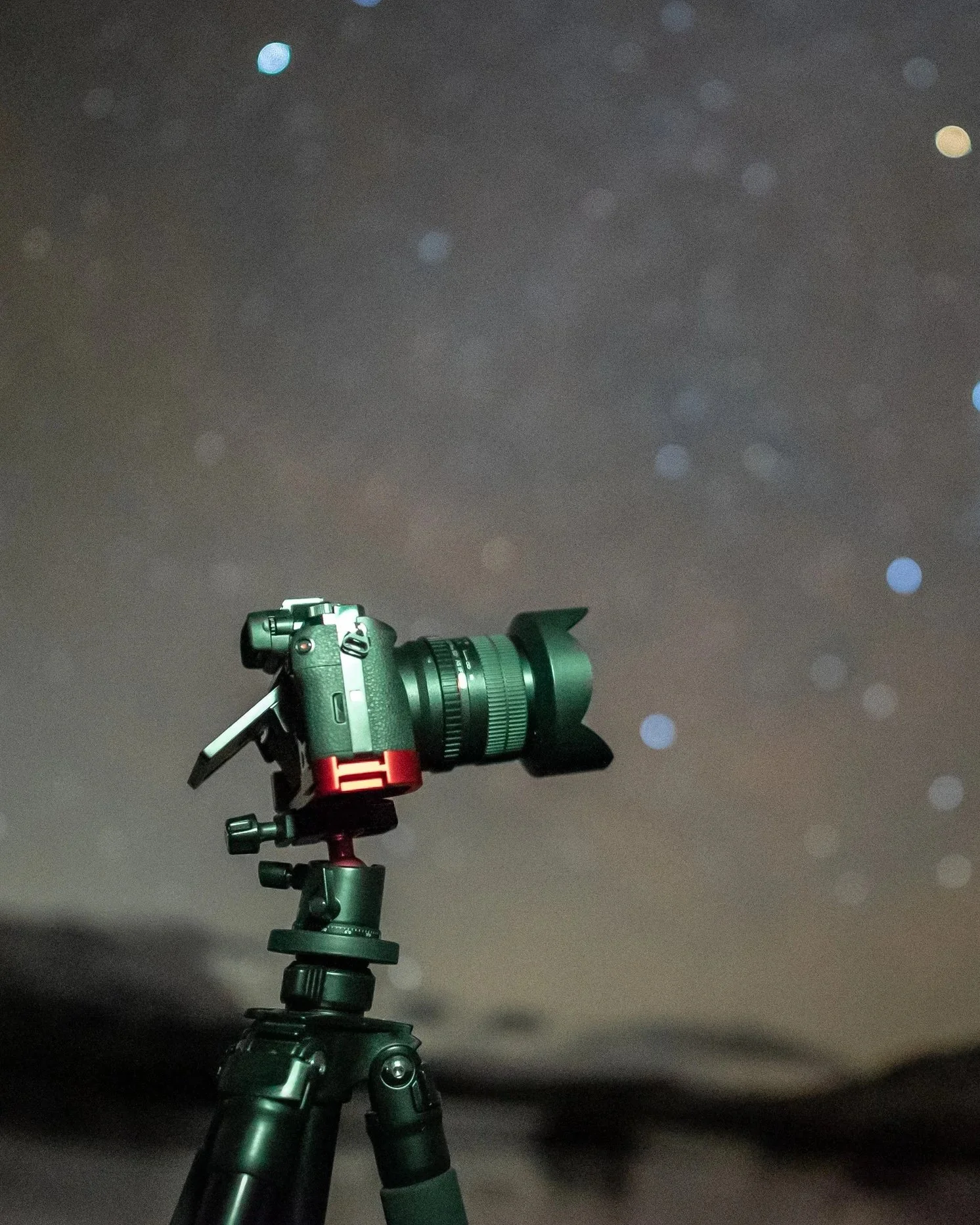
The Sony A7S is one of the most respected cameras in astrophotography thanks to its exceptional low-light performance. Featuring a 12.2-megapixel full-frame sensor with large individual pixels, it is capable of capturing an incredible amount of light while producing remarkably low levels of digital noise. This makes it an outstanding choice for photographing the Milky Way, northern lights, meteor showers, and other night sky subjects.
One of the A7S's greatest strengths is its ability to shoot at very high ISO settings while maintaining impressive image quality. This allows photographers to reveal faint stars, subtle Milky Way detail, and natural night colours that would be difficult to capture with many other cameras. Its excellent dynamic range also helps preserve detail in both the darkest shadows and brightest stars.
The compact, lightweight body makes the Sony A7S ideal for photographing in Scotland's dark sky locations, where portability is just as important as image quality. Whether mounted on a tripod for wide-angle nightscapes or paired with a star tracker for longer exposures, it consistently delivers outstanding results.
During my workshops, you'll have the opportunity to see how the Sony A7S performs in real-world conditions and learn the camera settings I use to capture sharp, detailed images of the night sky. I'll explain how to optimise exposure, focus accurately in complete darkness, and get the very best performance from the camera, helping you understand why it has become a favourite among astrophotographers around the world.
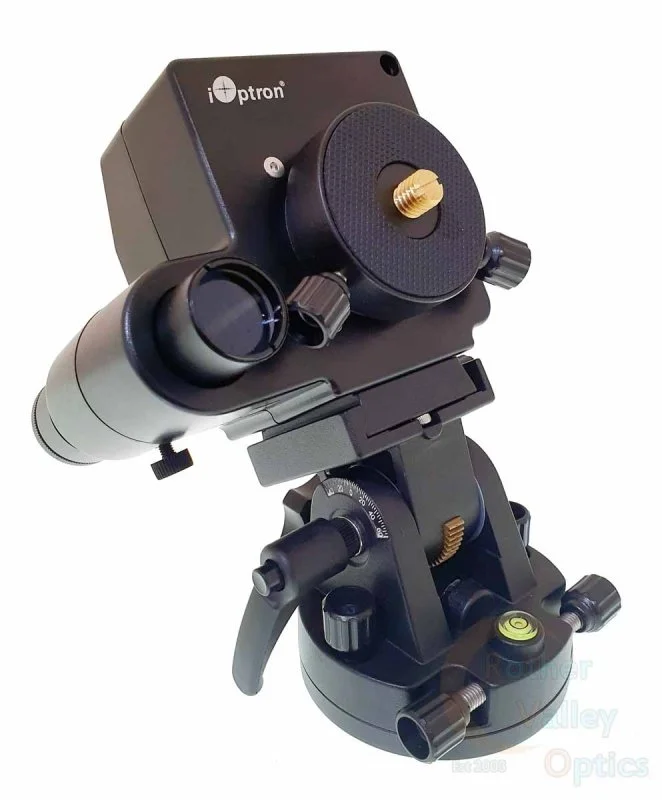
What is the iOptron SkyTracker?
The iOptron SkyTracker is a compact, portable star tracker designed to help photographers capture images of the night sky. As the Earth rotates, stars appear to move across the sky, limiting how long you can expose an image before stars begin to blur into trails. The SkyTracker solves this problem by slowly rotating your camera at the same rate as the Earth's rotation, keeping the stars perfectly aligned during long exposures.
For beginners, this means you can capture brighter, cleaner images of the Milky Way with significantly less image noise. By using longer shutter speeds while keeping the stars sharp, you can lower your camera's ISO, producing higher-quality photographs with greater detail and richer colours.
The SkyTracker is lightweight, battery-powered, and easy to transport, making it ideal for photography trips across Scotland's remote dark sky locations. It can be mounted on a sturdy tripod and paired with most DSLR or mirrorless cameras fitted with a wide-angle or medium focal length lens.
As your astrophotography skills develop, the SkyTracker opens up new possibilities beyond simple landscape images. It allows you to capture deep-sky objects such as galaxies, nebulae, and star clusters using longer focal length lenses, making it an excellent stepping stone into more advanced astrophotography without the complexity of a full equatorial telescope mount.
During my astrophotography workshops, I demonstrate how to accurately polar align the SkyTracker, balance your camera setup, and choose the best tracking settings. You'll also learn when tracking is beneficial, when it isn't, and how to combine tracked exposures with separate foreground images to create natural-looking nightscape photographs.
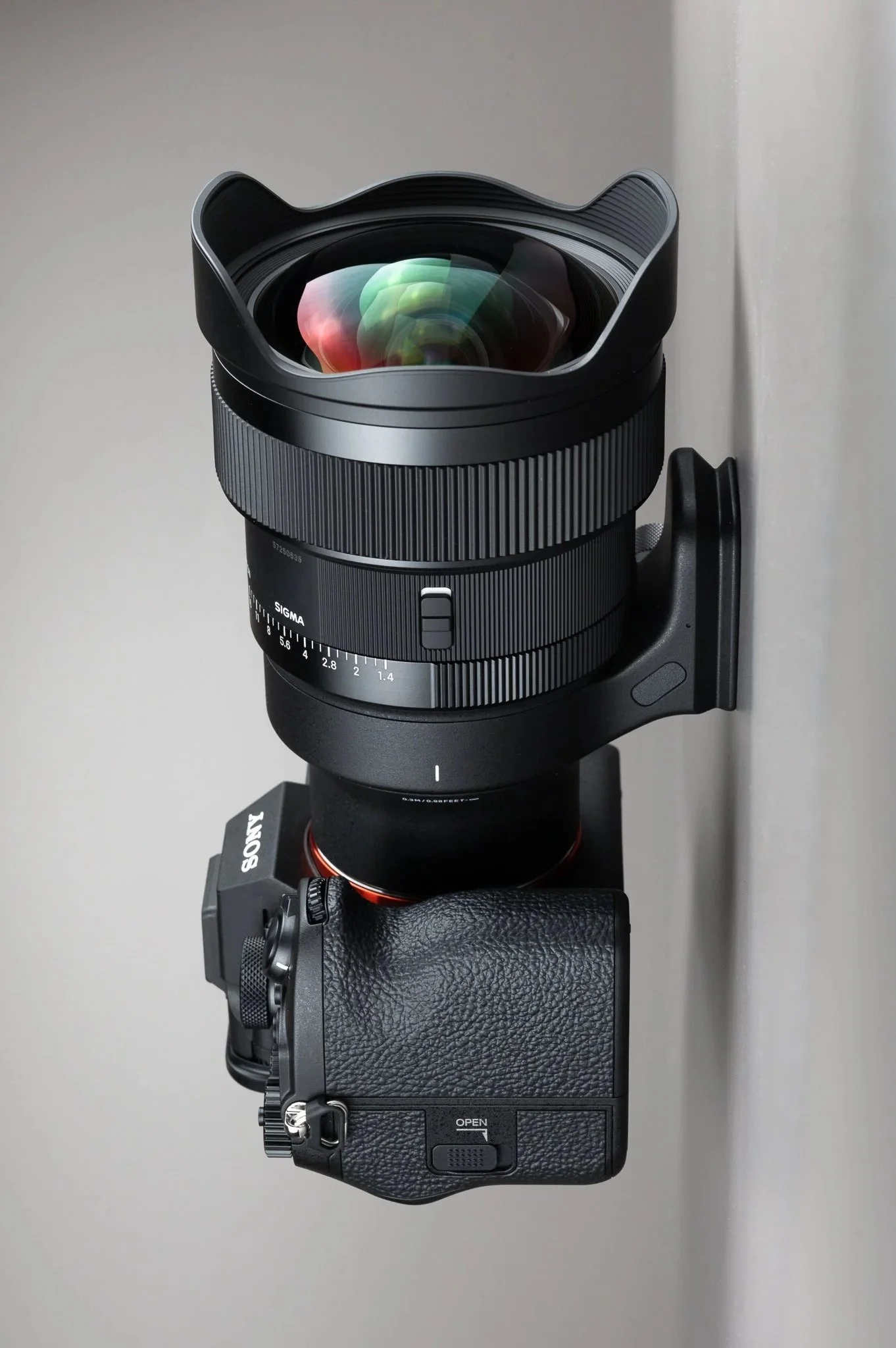
Sigma 14mm f/1.4 – A Premium Lens for Astrophotography
The Sigma 14mm f/1.4 is one of the finest lenses available for night sky photography. Designed with astrophotographers in mind, its ultra-wide 14mm focal length allows you to capture landscapes beneath vast skies, while the incredibly bright f/1.4 aperture gathers an exceptional amount of light. This combination makes it ideal for photographing the Milky Way, northern lights etc.
One of the lens's biggest advantages is its outstanding optical quality. It delivers excellent sharpness from the centre of the frame right through to the corners, helping stars remain crisp and well-defined across the entire image. Sigma has also engineered the lens to minimise common optical issues such as coma, where stars near the edges of the frame can appear stretched or distorted. The result is cleaner, more natural-looking star fields with outstanding detail.
The large f/1.4 aperture allows photographers to use shorter exposure times and lower ISO settings compared to slower lenses. This helps reduce image noise while capturing more detail and colour from the night sky, making it particularly useful when photographing fast-moving aurora displays or creating single-exposure Milky Way images without a star tracker.
Although the lens is larger and heavier than many wide-angle alternatives, its exceptional image quality makes it a favourite among serious astrophotographers. It performs beautifully when paired with modern full-frame mirrorless cameras, producing professional-quality images in some of the darkest locations across Scotland.
During my workshops, I use the Sigma 14mm f/1.4 to demonstrate how premium optics can make a real difference when photographing the night sky. You'll learn how to achieve precise manual focus, choose the best camera settings, compose wide-angle nightscapes, and make the most of this lens to capture stunning images of the stars.
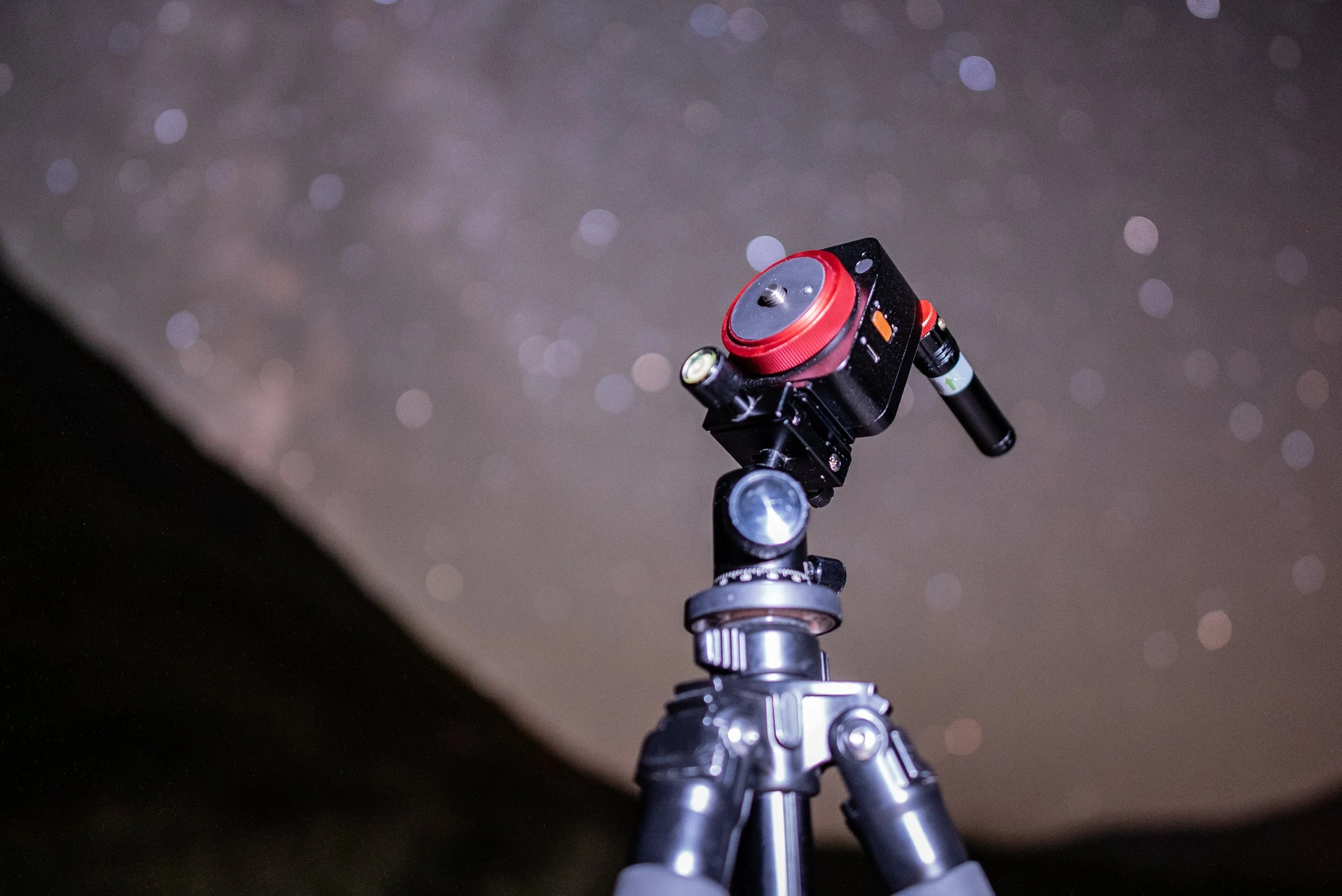
MSM Nomad Star Tracker
The MSM Nomad Star Tracker is a compact and lightweight tracking mount designed to help photographers capture sharp, detailed images of the night sky. By rotating at the same speed as the Earth's rotation, it keeps the stars perfectly aligned during long exposures, allowing you to photograph the Milky Way, nebulae, and star clusters with far greater detail than a standard tripod alone.
Its portable design makes it ideal for travelling to remote dark sky locations, while its accurate tracking enables longer exposure times at lower ISO settings. This results in cleaner images with less digital noise, improved colour, and greater detail, making it a fantastic upgrade for anyone looking to take their astrophotography to the next level.
The only downside to this tracker I would say is due to its very lightweight design, if you had a heavy lens it may struggle to track accurately. This gadget is fantastic for small prime lenses.
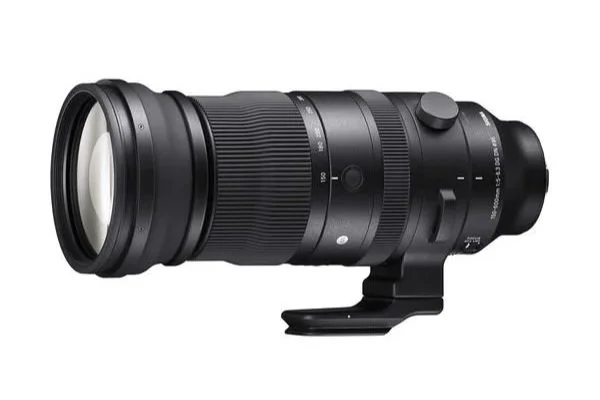
Sigma 150–600mm Lens
The Sigma 150–600mm is a powerful telephoto lens that is perfect for capturing detailed photographs of the Moon. Its long zoom range allows you to fill the frame with the lunar surface, revealing craters, mountain ranges, and intricate textures that are impossible to see with a standard camera lens.
When paired with a sturdy tripod and a high-resolution camera, the Sigma 150–600mm produces sharp, high-quality lunar images. The ability to zoom from 150mm to 600mm also gives you the flexibility to compose different styles of Moon photography, from close-up lunar portraits to wider shots that include landscapes for added impact.
During my workshops, you'll learn how to use the Sigma 150–600mm to photograph the Moon with confidence. I'll guide you through the ideal camera settings, focusing techniques, and composition tips to help you capture crisp, detailed images.
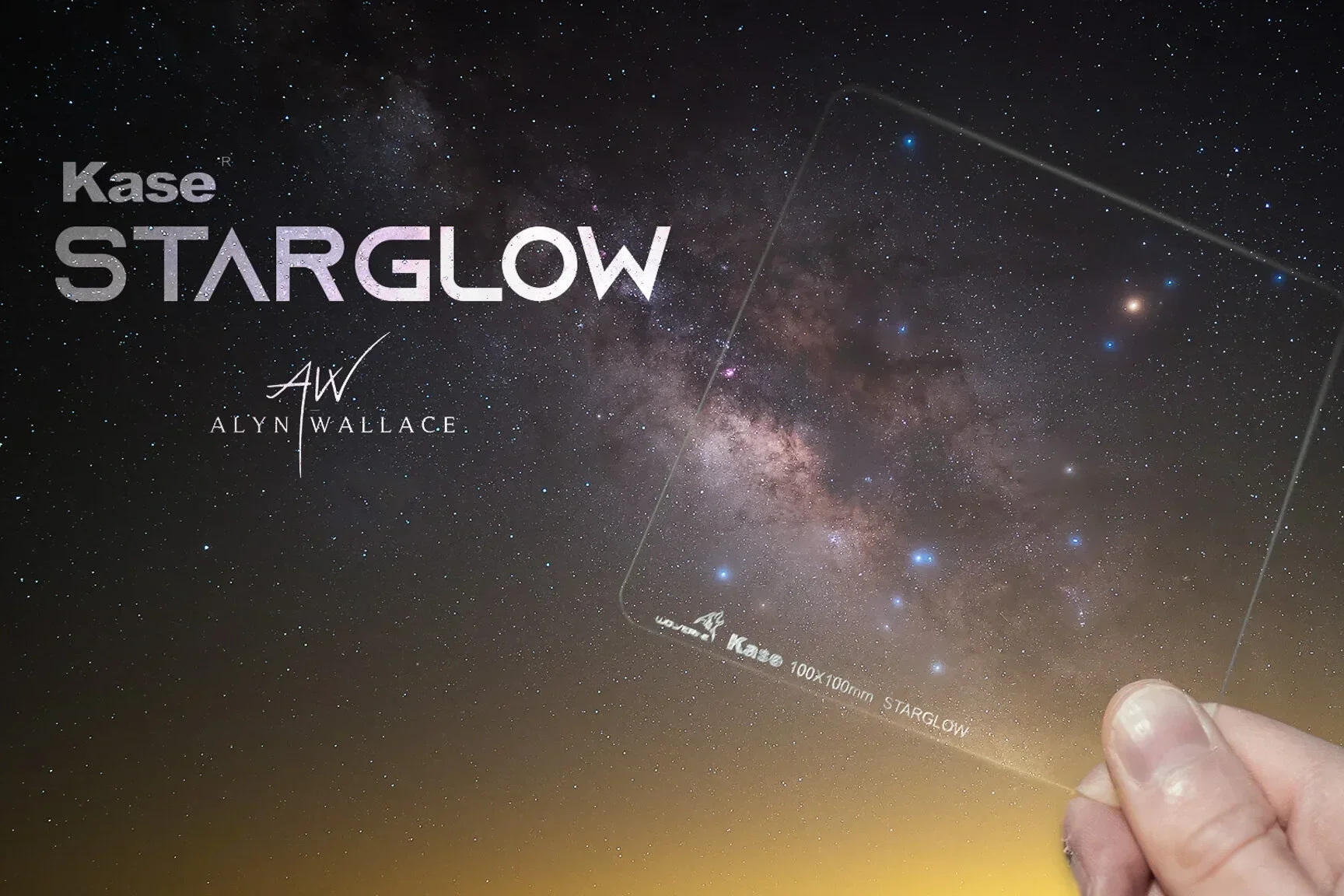
Alyn Wallace Star Glow Filter
The Alyn Wallace Star Glow Filter is a specialist filter designed to enhance the beauty of the night sky by giving brighter stars a soft, natural glow. Rather than creating an artificial effect, it subtly increases the size and brightness of the most prominent stars, helping constellations and the Milky Way stand out while maintaining a realistic appearance.
The filter is particularly effective when photographing wide-angle nightscapes, adding depth and atmosphere to your images without reducing the sharpness of the surrounding landscape. It also helps create a more cinematic look straight out of the camera, making your astrophotography feel closer to what the eye perceives under a truly dark sky.
During my workshops, you'll have the opportunity to try the Alyn Wallace Star Glow Filter and see how it transforms your night sky images. I'll explain when to use it, how to achieve the best results, and how it can add an extra level of impact to your Milky Way and star field photography while keeping the final image natural and professional.
If you have any questions about your equipment, let me know below